Hawaii's Best Shore Excursions


With Norwegian Cruise Line's Pride of America sailing weekly inter-island cruises year round and giants like Carnival, Royal Caribbean, Princess and Celebrity also offering attractive Hawaii cruise itineraries, there's no question that the Aloha State is a major cruise destination. The reasons are obvious: balmy weather; safe, centrally located ports of call (Honolulu, Oahu; Kahului, Maui; Nawiliwili, Kauai; and Kona and Hilo on the Big Island); and shore excursions that spotlight the best of the islands' unique history, culture and scenic attractions.
With ports often far from key attractions, Hawaii is one of those destinations where shore tours can help you maximize your day in port. (The alternative is typically a car rental.) Cruise ships recognize this and provide a wide range of offerings for everyone from active types to the more culturally minded. Following is a sampling of the great shore offerings you can consider when you visit a Hawaii port, all of which will make your island cruise vacation truly memorable.
Note: Many of the most active tours in Hawaii are not suitable for pregnant women, very young children, those prone to motion or seasickness, or people with back or heart problems. Do take your own physical condition into account before you sign up.
Oahu
USS Arizona Memorial & Mighty Mo
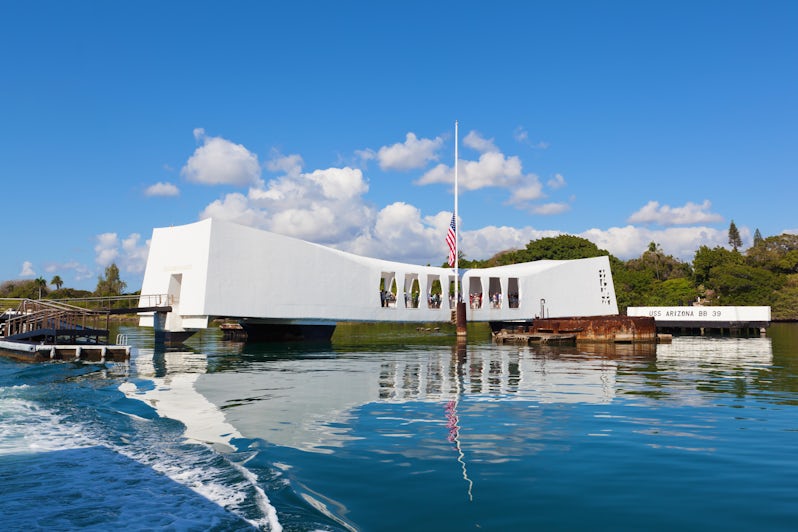
This tour hits two of Pearl Harbor's landmark attractions. After a stop in the Visitor's Center, you'll board a boat to visit the USS Arizona Memorial. When the Japanese attacked on December 7, 1941, the ship's hull was shattered, and it sank, killing 1,177 crewmen. (1,102 remain entombed in the ship, which lies directly beneath the floating memorial.) Then you'll head to Ford Island, where the USS Missouri (aka Mighty Mo) is now docked. Japanese leaders signed the Formal Instrument of Surrender aboard the Mighty Mo on September 2, 1945, in Tokyo Bay, officially ending World War II. The 887-foot battleship's distinguished career spanned five decades, including service in World War II, the Korean War and Operation Desert Storm. Decommissioned and opened as a museum, the mammoth ship now offers fascinating insights into the life of a sailor.
Who Should Go: Families, history buffs and seniors who are ambulatory will benefit from this tour. Exploring the USS Missouri Memorial fully requires extensive climbing up and down ladders and through hatches.
Why It's Extraordinary: The Arizona Memorial is a must for anyone who lived through or is interested in WWII history. On the Mighty Mo, you'll venture into areas of a real U.S. battleship that were seldom seen by anyone besides active-duty crews. Highlights include the Surrender Deck, where the war-ending treaty was signed; Engine Room #4; the brig; the sleeping quarters; the mess deck; and "Broadway," an armored belt running about two-thirds the length of the vessel where you can touch the original analog computers.
Polynesian Cultural Center and Luau
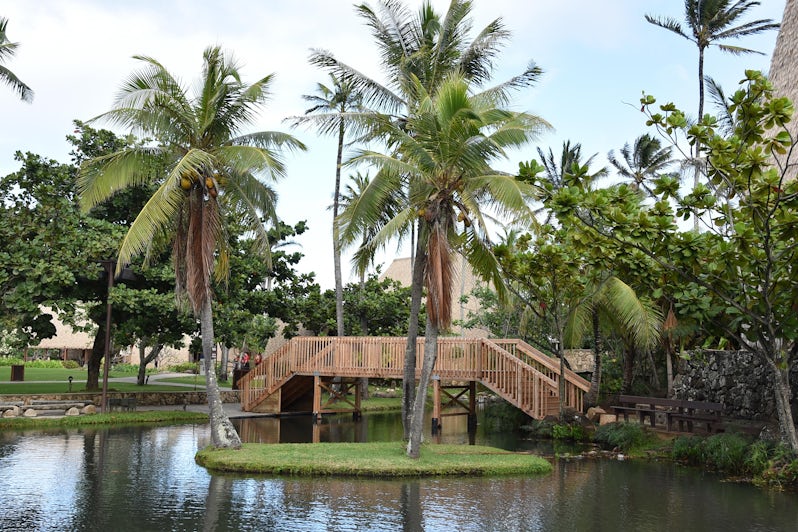
Here's a way to visit Hawaii, Tahiti, Samoa, Fiji, Tonga, New Zealand and the Marquesas in one day, without boarding a plane or showing a passport. Each authentically recreated village features dwellings, cooking areas, vegetable patches and interactive demonstrations. For example, you can learn how to husk a coconut in Samoa, play the tititorea stick game in New Zealand and pound huge nafa (drums) in Tonga. You'll see the Rainbows of Polynesia canoe pageant (a floating show on the center's waterways) before attending the award-winning Alii Luau and the spectacular Horizons night show, which boasts a cast of more than 100 performers. Dine on Kalua pork, lomi lomi salmon, poi (a paste made from fermented taro roots) and other local dishes while taking in performances of ancient dances, Hawaiian music through the ages (including steel guitar classics), firewalking and juggling.
Who Should Go: Seniors, families and anyone with an interest in Polynesian cultures are ideal candidates for this excursion.
Why It's Extraordinary: The staff is composed primarily of students from the islands represented. Their jobs at the Center help pay for their tuition at the adjacent Brigham Young University-Hawaii. Traditional ways are perpetuated, students develop a renewed interest in and appreciation for their culture, and visitors get a tantalizing taste of the "real" Polynesia. Everybody wins.
Maui
Haleakala Volcano
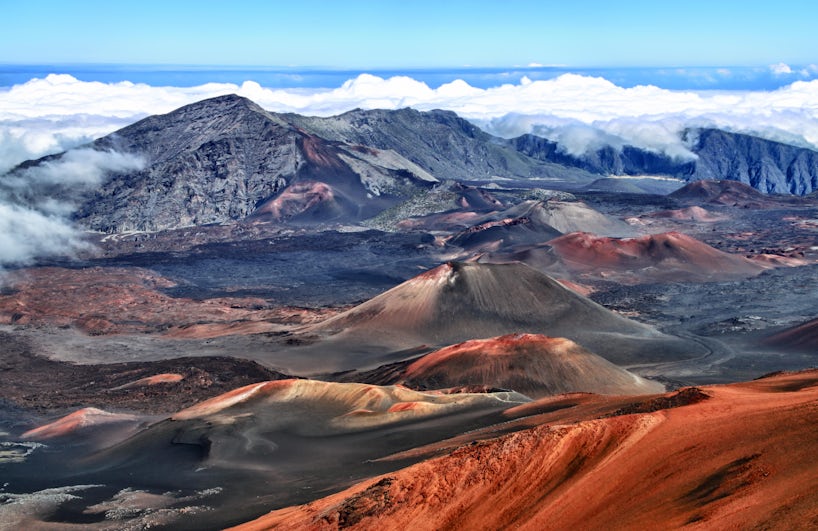
The highest point on Maui, Haleakala (meaning "House of the Sun") rises 10,023 feet above sea level. The views at its summit are magnificent; on a clear day, you can even see the peaks of the Big Island's Mauna Loa and Mauna Kea volcanoes above the clouds. Other intriguing sights include the ahinahina (silver sword) plant, which grows nowhere else in the world, and the endangered nene (Hawaiian goose), Hawaii's state bird. If you're up for thrills, consider taking the tour that includes a bike ride back down the volcano; photographers on overnight stays won't want to miss the sunrise or sunset versions for the best light.
Who Should Go: The scenic driving tour is great for seniors, nature-lovers and photo buffs. Those wanting to bike down the volcano should be at least 12 years old and five feet tall. They must be competent riders who are able to negotiate 21 switchbacks as they coast downhill at speeds of up to 20 miles per hour -- though you don't necessarily have to be in the greatest shape, as the ride is all downhill. No pregnant women or people with heart conditions, please.
Why It's Extraordinary: Haleakala last erupted in 1790 and is the world's largest dormant volcano. Its lunar-like crater measures 7.5 miles long, 2.5 miles wide and almost 3,000 feet deep. More than three-quarters of 30,183-acre Haleakala National Park, which encompasses the awesome crater, is designated as wilderness. Its landscape is otherworldly and likely unlike any place you've ever seen before.
Whale Watching
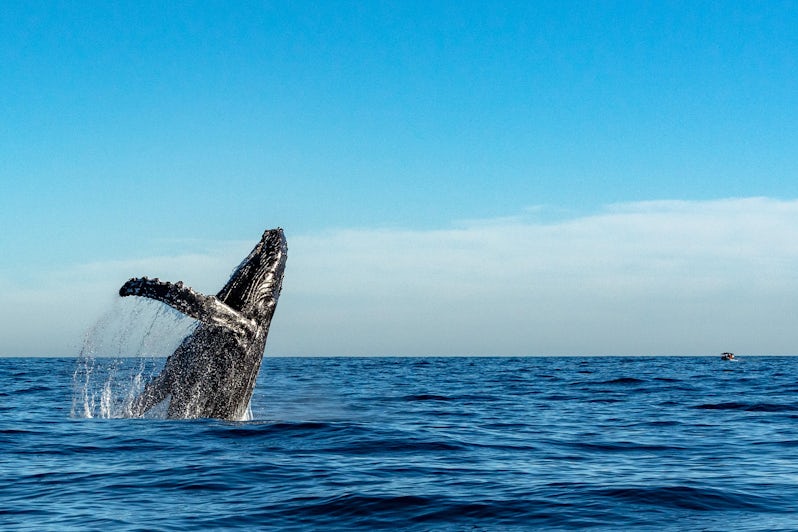
Each winter, between 3,500 and 4,500 humpback whales (Hawaii's state mammal) travel 3,000 miles from chilly Alaska to warm island waters to mate and bear their young. Certified marine naturalists lead whale-watching expeditions between December 1 and April 30; the protected channel between Maui, Lanai and Molokai is the best place to see these magnificent animals. The experts provide fascinating information about the whales' behavioral patterns and current whale research, and, if you're lucky, you'll be able to hear haunting whale songs via onboard hydrophones.
Who Should Go: This is a great experience for families, sailors and anyone interested in the ocean and marine biology. Those prone to seasickness should take appropriate precautions.
Why It's Extraordinary: The whales are extraordinary! Weighing up to 40 tons and measuring up to 45 feet long, humpbacks are the fifth-largest of the world's great whales. Their annual return to Hawaii is a much-anticipated event, and thousands head out to sea to observe them. Imagine the thrill of seeing a gigantic whale breach, dive and slap its tail right before your eyes.
Road to Hana
The Hana Highway winds along Maui's less developed coastline, through tropical forests and past lava cliffs and cascading waterfalls. An all-day tour along the curving roadway will give you amazing photo opportunities not found in Maui's resort areas. Tours will typically include stops at the Seven Sacred Pools in Haleakala National Park and lunch on your own at Hana Ranch in the town of Hana. Some itineraries include shopping time at Hilo Hattie's or wine tasting at the local Tedeschi Winery.
Who Should Go: This excursion is ideal for anyone who enjoys the freedom of the open road and breathtaking scenery to boot. Photographers also stand to gain a lot from this type of tour. Beware, however, if you're prone to carsickness, as the road is winding.
Why It's Extraordinary: This is one of the world's most scenic drives, and no trip to Maui is complete without the experience.
Kauai
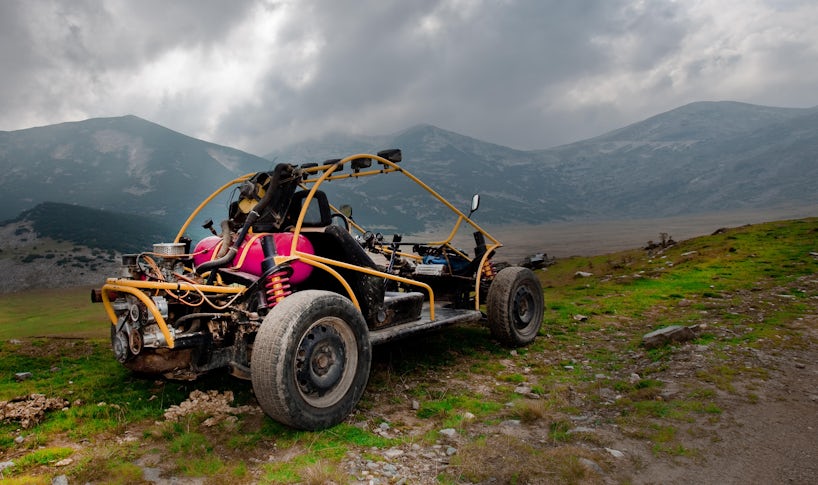
Mudbug Off-Road Adventure
Drive the back roads of Kauai in a 4WD ATV -- called a Mudbug because you're sure to end up mud-spattered and dirty by the end of your day. Starting in Koloa, you'll bounce and bump your way past sugarcane fields, across streams and through a mountain tunnel (used for hauling cane). Guides will point out film sites from popular movies like "Jurassic Park" and "Honeymoon in Vegas." Your destination? A waterfall-fed natural pool where you can relax, wash off the mud and enjoy a picnic lunch.
Who Should Go: You'll love this excursion if you're a hardy soul who isn't scared of getting muddy and who wants to get off the beaten path in Kauai. Movie geeks who want to check out some back-country film sites are also welcome. You must be at least 16 years of age to drive, but children as young as 5 can go for the ride.
Why It's Extraordinary: It's Kauai in a nutshell: a mix of sugarcane history, undeveloped back country, gorgeous waterfalls and modern movie fame, with a lot of adventure thrown in.
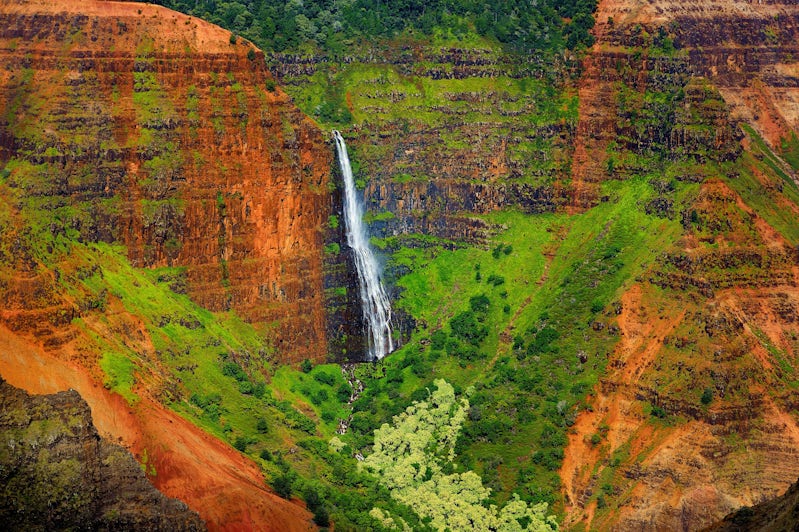
Waimea Canyon, Wailua River and Fern Grotto
Seeing the best of Kauai doesn't mean a bus ride around an urban center. On this highlights tour, you'll drive through small villages and sugarcane fields before heading for the hills and Waimea Canyon, the "Grand Canyon of the Pacific." From a lookout 3,400 feet above sea level, you'll have plenty of scenic photo opps of the canyon's red and brown volcanic rock, offset by lush tropical vegetation. Afterward, swap your bus for a riverboat for a scenic cruise along the Wailua River. Take in jungle scenery and waterfalls while learning about Hawaiian music and dance. Local singers will then serenade you as you visit the Fern Grotto, a lava cavern. Some trips may include stops at the Spouting Horn blowhole and Opaekaa Falls.
Who Should Go: This trip is suitable for everyone from families to seniors. It's especially recommended for first-timers who want to see many of Kauai's highlights in one tour.
Why It's Extraordinary: Kauai is known for its natural beauty, and the scenery ranges drastically from the rocky, exposed canyon of Waimea to more lush, tropical forests. This tour lets you see it all in one day.
Luau Kalamaku
This one's only for passengers with late nights or overnights in port (like those offered by Norwegian's Pride of America). The luau is held on the grounds of a former sugar plantation, now a fruit orchard and working farm. Enjoy a buffet dinner of Hawaiian specialties, such as roast pig, lomi lomi salmon and haupia (a traditional coconut dessert), complemented by an open bar. During the meal, you'll watch some hula performances, followed by the main show, which features more dancers, fire twirlers, musicians and storytellers. There's also an opportunity to shop for crafts made by local artists and vendors. Different variations of the tour include a plantation train ride or a tour of the manor house.
Who Should Go: Anyone interested in Hawaiian culture and trying local dishes. It's truly a fun night out for all cruisers.
Why It's Extraordinary: You can't leave Hawaii without going to a luau. It's a fun and local alternative to dinner and a show onboard. If your ship isn't staying late in Kauai, some lines also offer luau tours in Maui, which are great shows, too.
Big Island: Hilo
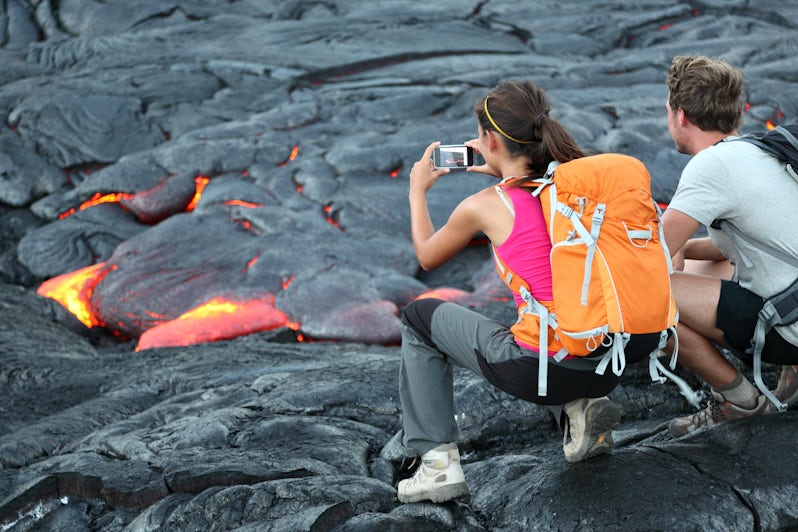
Hawaii Volcanoes National Park
The state's top attraction, Hawaii Volcanoes National Park (HVNP), literally erupts with activity. Kilauea Volcano awoke from its long slumber on January 3, 1983, shooting molten lava four stories high. Decades later, scientists say it's still in an eruptive phase -- as evidenced by a more recent eruption in 2018 -- and there's no indication when it will end. Sprawled over 377 square miles, HVNP offers a visitor center, museum, art center, campsites, observatory (not open to the public) and Volcano House, an inn built on the rim of Kilauea Caldera in 1846. Most tours feature a drive around the crater's rim with visits to the Thurston Lava Tube (for a quick walk through the volcanic tunnel), Jaggar Museum, and views of the Kilauea Caldera and Halema'uma'u Crater. Some stop at Big Island Candies or the Mauna Loa Macadamia Nut Factory for a sweet addition to the trip. Other tour variations include visits to botanic gardens, waterfalls and coffee plantations, while more active choices explore the park with hikes and bike rides.
Who Should Go: Families, photo buffs, active travelers and those with an interest in geology and botany will find this tour interesting.
Why It's Extraordinary: HVNP is a natural wonderland boasting vast expanses of aa (rough and chunky) and pahoehoe (smooth) lava, massive calderas, sulfur banks, fragrant rain forests, fern-draped lava tubes, kipuka (oases that have been miraculously left untouched by molten rivers of lava) and intriguing plant life, including the brilliant red ohia lehua, the Big Island's official flower. This is your chance to walk on lava or watch a smoking caldera.
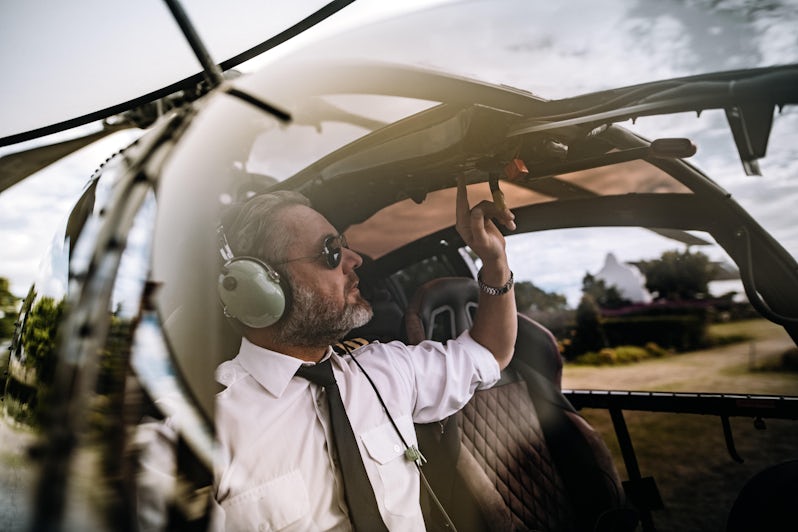
Circle of Fire Helicopter
A 45-minute helicopter ride takes you over the Kilauea Volcano's most active sites. You might see the glow of flowing lava, as well as black-sand beaches, former lava flows now hardened into volcanic rock and the village of Kalapana, which was destroyed by the volcano's eruption. Pilots are expert flyers and certified tour guides, and they'll narrate your journey as you fly. A supersized version of the tour follows the flightseeing with a BBQ lunch and visits to rainforest-based waterfalls.
Who Should Go: Anyone interested in a bird's-eye-view of volcanic activity -- and who has the cash to spare since helicopter tours aren't cheap -- will be properly paired with this trip.
Why It's Extraordinary: You're unlikely to see active lava flows or the enormity of Kilauea's reach on a day-long drive through Hawaii Volcanoes National Park. Take to the skies for amazing views and a rare chance to see an erupting volcano.
Big Island: Kona
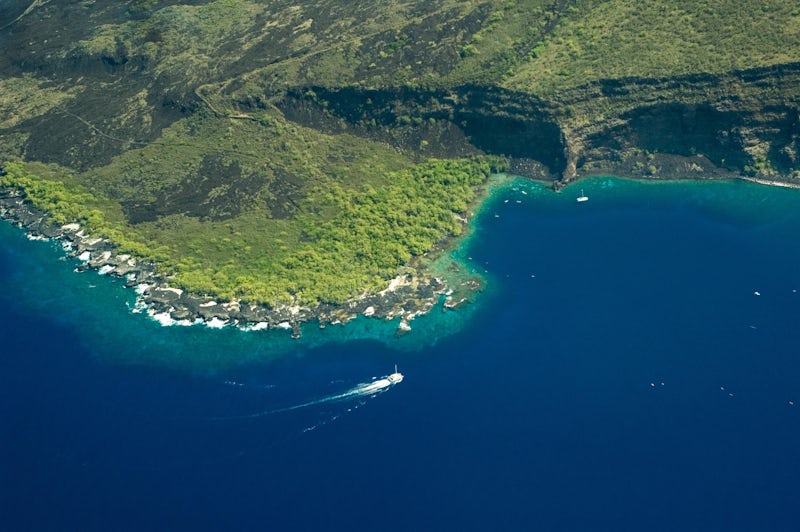
Captain Zodiac Raft and Snorkel
Take a 24-foot-long inflatable raft down to Kealakekua Bay, home of the Captain Cook monument and a protected marine sanctuary, as well as manta rays and sea turtles among other extraordinary sea life. After swimming and snorkeling, you'll return to your raft to explore sea caves and lava tubes. (While some lines like Norwegian add "dolphin adventure" to the tour name, there's no actual dolphin show, but you might glimpse wild spinner dolphins if you're lucky.)
Who Should Go: Active folks and water-lovers who want a little history with their snorkeling should check out this offering.
Why's It's Extraordinary: The Captain Cook monument is only accessible by water or hiking trail. Plus, this tour has a bit of everything. You'll learn about the history and geology of the island while splashing in the water and viewing incredible sea life. You might even see whales in season.
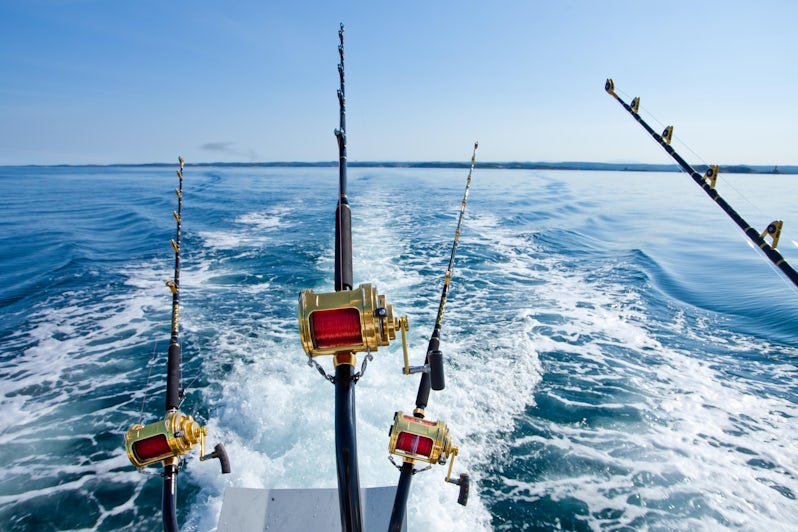
Deep Sea Troll-Fishing
You can fish year-round for ahi tuna, marlin, mahi-mahi, wahoo and other fish species off Kona's coast. On this tour, you'll sail with just five other passengers and an experienced captain and guides. Fishing is catch-and-release, but reeling in a huge sea creature is worth it for the thrill alone.
Who Should Go: Experienced anglers and novice fishermen alike can participate. Kids must be at least 10 years old.
Why's It's Extraordinary: The Kona Coast is the billfish capital of the world. Need we say more?